
In today’s fast-moving digital world, people are constantly searching for simple words that carry deep meaning. One such word is “salam.” Many users type “salam” in messages, comments, or chats without fully understanding its background, tone, or proper usage. That’s why people often search for “salam meaning”—to understand both its traditional roots and how it fits into modern online communication.
Understanding internet slang and commonly used words like “salam” is important because online conversations are full of cultural expressions. Whether you’re chatting on WhatsApp, scrolling TikTok, or replying on Instagram, knowing what a word means helps you communicate respectfully and confidently. This guide will break down the meaning of “salam,” its use in texting, its origin, and how you can use or respond to it naturally in real conversations.
What Does Salam Mean in Texting and Online Chat?
Basic Meaning of Salam
“Salam” is a greeting word that means:
- Peace
- Hello
- Greetings
In texting and online chat, it is commonly used as a friendly and respectful way to say hello.
Short Meaning in Chat
- “Salam” = “Hi” or “Hello”
- It can also imply good wishes and peace
Example in Chat
- Person A: Salam! How are you?
- Person B: Wa Salam! I’m good, thanks.
Full Form of Salam (Is It an Acronym?)
Unlike many internet slang terms, “salam” is not an acronym. It does not stand for multiple words.
Important Clarification
- ❌ Not a short form like “LOL” or “BRB”
- ✅ A real word with historical and cultural meaning
“Salam” comes from a language root that relates to peace, safety, and harmony.
Origin and Cultural Background of Salam
Where Does Salam Come From?
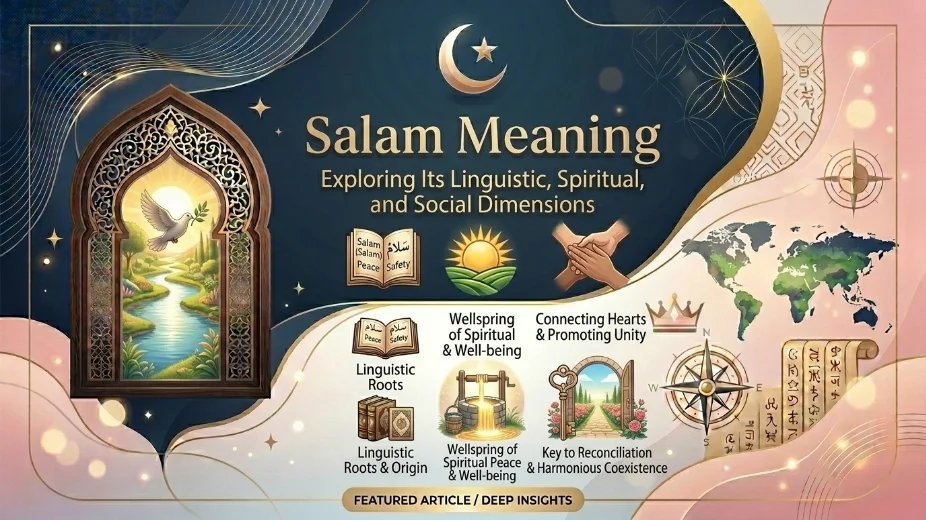
“Salam” originates from Arabic, where it means peace.
It is part of the traditional greeting:
- “As-salamu alaikum” (Peace be upon you)
Why It Became Popular Online
The word spread globally because:
- It is widely used in Muslim communities
- It is simple and respectful
- Social media connects cultures worldwide
Rise in Digital Communication
With platforms like WhatsApp and TikTok:
- “Salam” became a quick, polite greeting
- People started using it even in casual chats
How Salam Is Used in Real Conversations
Everyday Chat Examples
Here are natural ways people use “salam”:
- Salam bro, what’s up?
- Salam, did you finish the assignment?
- Salam everyone, welcome to the group!
Tone and Context
- Friendly
- Respectful
- Sometimes formal depending on situation
Salam Meaning on Different Platforms
Salam Meaning on WhatsApp
On WhatsApp, “salam” is commonly used:
- To start conversations politely
- In family and group chats
Example:
- Salam aunty, how are you?
Salam Meaning on Instagram
On Instagram:
- Used in DMs or comments
- Often paired with emojis
Example:
- Salam 😊 nice post!
Salam Meaning on TikTok
On TikTok:
- Used in comments
- Sometimes to greet creators
Example:
- Salam from Pakistan 🇵🇰
Salam Meaning on Snapchat
On Snapchat:
- Used casually in chats
- Less formal, more friendly
Example:
- Salam! Wanna streak today?
Salam vs Ennui: Clearing the Confusion
Some users confuse “salam” with unrelated words like “ennui.”
Key Difference
- Salam = Greeting, peace
- Ennui = Boredom or lack of interest
Important Note
These words have:
- Different meanings
- Different origins
- No connection at all
Common Misinterpretations of Salam
What Salam Does NOT Mean
- ❌ Not slang for “bye”
- ❌ Not rude or sarcastic
- ❌ Not an abbreviation
Mistakes People Make
- Thinking it’s only religious
- Assuming it’s formal only
- Using it incorrectly in jokes
Similar Slang Terms and Alternatives
Here are some alternatives to “salam” in texting:
Casual Alternatives
- Hi
- Hello
- Hey
- Yo
Respectful Alternatives
- Greetings
- Good day
Cultural Variations
- “Namaste”
- “Hola”
- “Bonjour”
How to Reply When Someone Says Salam
Replying properly shows respect and friendliness.
Polite Responses
- Wa Salam!
- Salam! How are you?
- Wa Alaikum Salam!
Casual Responses
- Hey! Salam 😊
- Salam bro!
Flirty Responses
- Salam 😉 missed your message
- Salam! You just made my day
Boundary-Respecting Responses
- Salam, I’m a bit busy right now
- Wa Salam, I’ll reply later
Is Salam Still Popular in 2026?
Current Trends
Yes, “salam” is still widely used:
- Especially in multicultural communities
- Common among Gen-Z and Millennials
Why It Remains Relevant
- Simple and meaningful
- Shows respect
- Works in both formal and casual chats
Role of Salam in Gen-Z Slang Culture
Gen-Z loves mixing:
- Traditional words
- Modern texting styles
“Salam” fits perfectly because:
- It’s short
- It has meaning
- It feels authentic
When Should You Use Salam?
Use It When:
- Starting a conversation
- Talking to elders or respected people
- Greeting in group chats
Avoid It When:
- You want a very casual tone like “yo”
- You’re unsure of cultural context
Benefits of Using Salam in Chat
- Builds respect
- Creates positive tone
- Shows cultural awareness
- Makes conversations warmer
FAQs
1. What does salam mean in texting?
“Salam” means hello or peace. It’s a polite way to greet someone in chats.
2. Is salam formal or casual?
It can be both. It depends on how you use it and who you’re talking to.
3. What is the reply to salam?
The most common reply is “Wa Salam” or “Wa Alaikum Salam.”
4. Is salam only used by Muslims?
No, anyone can use it. It’s a universal greeting meaning peace.
5. What does salam mean on TikTok?
On TikTok, it simply means hello or greetings in comments or captions.
6. Is salam a slang word?
Not exactly. It’s a real word, but it’s widely used in online chats like slang.
Conclusion
“Salam” is more than just a simple greeting—it carries a beautiful meaning of peace, respect, and connection. In texting and online chat, it works as a polite and friendly way to say hello, making conversations feel warmer and more meaningful. Unlike typical slang, “salam” has deep cultural roots, yet it fits perfectly into modern digital communication.
By understanding its meaning, usage, and context, you can confidently use “salam” in your chats—whether on WhatsApp, Instagram, TikTok, or Snapchat. You also now know how to reply appropriately, avoid common mistakes, and recognize its place in today’s Gen-Z culture.
