
Introduction
If you’ve recently come across the term “amina” online, you’re not alone. Many people search for amina meaning because they see it in chats, comments, or social media captions and want to understand what it really means. In today’s digital world, language is constantly evolving, and new slang terms appear all the time. Knowing these terms helps you communicate better and avoid confusion.
Understanding internet slang is especially important for texting, gaming, and social platforms like WhatsApp, Instagram, TikTok, and Snapchat. Sometimes, words like “amina” can have different meanings depending on context—some may be harmless, while others may carry strong or even offensive tones. That’s why it’s important to learn not just the definition, but also how and when to use (or avoid) it properly in online conversations.
What Does Amina Mean in Texting and Online Chat?
Short Meaning of Amina
In texting and online slang, “amina” is often used as a strong expression of frustration, anger, or insult. It can be directed at someone or used casually between friends depending on tone and relationship.
- It may come across as rude or offensive
- Often used in heated conversations
- Sometimes used jokingly among close friends
👉 Important: The meaning depends heavily on context and tone
Is “Amina” an Abbreviation or Full Form?
Unlike many internet slang terms, “amina” is not an abbreviation. It does not have a full form like LOL or BRB.
Instead, it is:
- A word borrowed from regional language slang
- Adapted into online texting culture
Origin and Rise in Popularity
Where Did “Amina” Come From?
The slang “amina” is believed to have roots in:
- South Asian street slang
- Commonly heard in informal conversations in Pakistan and India
Originally, it may have been used in:
- Local arguments
- Casual speech among friends
How It Became Popular Online
“Amina” gained popularity through:
- Social media platforms
- Meme culture
- Viral videos and reels
As more users began sharing funny or emotional content, the term spread quickly—especially among younger audiences.
How “Amina” Is Used in Real Conversations
Casual or Friendly Use
Sometimes used jokingly:
- “Amina yaar, you scared me!”
- “Amina, that was unexpected 😂”
👉 Here, it sounds playful (but still informal)
Angry or Frustrated Use
- “Amina, why did you do that?”
- “Amina, this game is so annoying!”
👉 In this case, it expresses irritation or anger
Warning About Tone
Even if used casually:
- It can offend people
- Should only be used with close friends who understand your tone
Platform-Specific Meanings and Usage
Amina Meaning on WhatsApp
On WhatsApp, “amina” is often used in:
- Private chats
- Group conversations
Examples:
- “Amina, you forgot again!”
- “Amina bro, what was that?”
👉 Tone can shift from joking to serious quickly
Amina Meaning on Instagram
On Instagram:
- Used in comments and DMs
- Often paired with emojis
Examples:
- “Amina 😂😂 that reel!”
- “Amina, this edit is crazy!”
👉 More playful, but still depends on context
Amina Meaning on TikTok
On TikTok:
- Appears in captions and comments
- Often used in reaction videos
Examples:
- “Amina, I can’t believe this happened 💀”
- “Amina, this trend is wild”
👉 Usually exaggerated for humor
Amina Meaning on Snapchat
On Snapchat:
- Used in quick snaps or chats
- Often emotional or reactive
Examples:
- “Amina, look at this!”
- “Amina, I’m done with today”
👉 Often spontaneous and expressive
Other Meanings of “Amina” (Important Distinction)
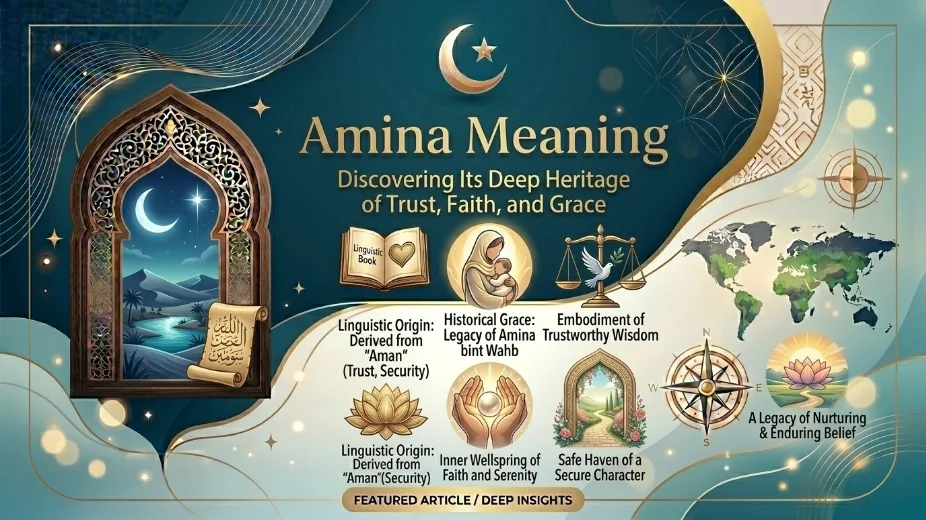
Amina as a Name
“Amina” is also a beautiful and widely used name.
- Meaning: Trustworthy, faithful, honest
- Common in Arabic and Muslim cultures
👉 This meaning is completely different from slang usage
Difference Between Name vs Slang
ContextMeaningAs a namePositive, respectfulAs slangCan be rude or emotional
Common Confusions and Wrong Interpretations
What “Amina” Does NOT Mean
- ❌ It is not a polite word
- ❌ It is not a formal expression
- ❌ It is not safe for professional chats
Common Mistakes
- Using it with strangers
- Using it in serious conversations
- Assuming it’s always friendly
👉 These can lead to misunderstandings
Similar Slang Terms and Alternatives
Here are some safer or similar expressions:
Mild Alternatives
- “Bruh”
- “Seriously?”
- “Come on!”
Stronger Slang (Use Carefully)
- “WTH”
- “Damn”
- “Bro, what?”
👉 Choose based on situation and audience
How to Reply When Someone Says “Amina”
Polite Responses
- “Hey, what happened?”
- “Is everything okay?”
Funny or Casual Replies
- “Relax bro 😂”
- “Why so dramatic?”
Flirty Responses
- “Only you can say that 😄”
- “Amina? You sound cute when angry”
Setting Boundaries
- “Please don’t use that word with me”
- “Let’s keep it respectful”
👉 Always match your reply to the tone and relationship
Is “Amina” Still Popular? (Trends & Gen-Z Usage)
- Still used among Gen-Z users
- Popular in memes and short videos
- Usage is declining slightly due to awareness of offensive language
👉 Many users now prefer:
- Cleaner humor
- Less offensive slang
FAQs
1. What does amina mean in slang?
“Amina” is a slang expression used to show anger, frustration, or strong emotion in informal chats.
2. Is amina a bad word?
It can be considered rude or offensive depending on tone and context.
3. What is the meaning of amina on TikTok?
On TikTok, it’s often used in a humorous or exaggerated way to react to videos.
4. Does amina have a full form?
No, “amina” is not an abbreviation and has no full form.
5. Is amina a name or slang?
Both. It is a respectful name, but also used as slang with a completely different meaning.
6. Can I use amina in formal chats?
No, it is not appropriate for professional or formal communication.
Conclusion
Understanding the amina meaning is important if you spend time online or chatting with friends. While it may look like a simple word, its meaning can change depending on context. In slang, it often expresses frustration or emotion, but it can also be offensive if used incorrectly.
At the same time, “Amina” is also a beautiful and respectful name with a positive meaning, which makes it even more important to understand the difference. Always consider your tone, relationship, and platform before using such words.
By learning how it’s used—and how to respond—you can communicate more confidently and avoid misunderstandings in today’s fast-changing digital world.
