
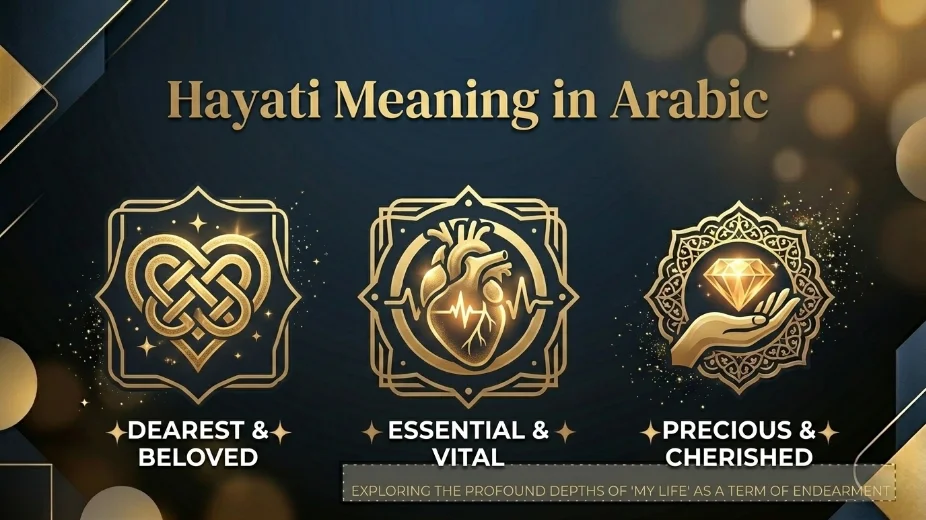
Understanding the phrase “hayati meaning in Arabic” has become increasingly popular as people come across it in songs, romantic messages, and social media captions. Many users see “hayati” in WhatsApp chats or Instagram comments and immediately search for its meaning because it feels emotional and beautiful—but not always fully understood. In today’s digital world, where languages mix freely online, knowing the meaning behind such words helps you avoid confusion and respond confidently in conversations.
Internet slang and foreign expressions often carry deep emotional or cultural meanings that don’t translate word-for-word. That’s why understanding terms like “hayati” is important, especially in romantic or friendly chats. It helps you connect better with people, understand tone, and avoid misinterpretation. In this article, we will break down everything about “hayati,” including its Arabic meaning, usage in texting, real-life examples, social media popularity, and how you should respond when someone calls you this beautiful word.
What Does “Hayati” Mean in Arabic?
The word “hayati” (حياتي) comes from Arabic and literally translates to:
“My life”
It is derived from the Arabic word “hayat” (حياة) which means life.
So when someone says “hayati”, they are saying “my life” to someone else, usually as a term of deep affection.
Simple Meaning:
- Hayati = My life
- Used to show love, care, or emotional attachment
It is often used the same way English speakers use:
- “my love”
- “baby”
- “dear”
- “sweetheart”
But “hayati” is considered more poetic and emotionally intense.
Hayati Meaning in Texting and Online Chat
In texting culture, especially on WhatsApp, Instagram, and TikTok, “hayati” is used as a romantic nickname or affectionate term.
In simple texting meaning:
- A way to show love
- A romantic nickname
- A soft emotional expression
Example in chat:
- “Good morning, hayati ❤️”
- “I miss you, hayati”
- “Take care, hayati”
It is mostly used between:
- Couples
- Close partners
- Sometimes very close family members (rarely)
Origin and Cultural Background of “Hayati”
The word originates from Arabic language and Islamic culture, where emotional and poetic expressions are commonly used in everyday speech.
Arabic is known for its:
- Rich emotional vocabulary
- Romantic expressions
- Deep linguistic meanings
“Hayati” is widely used in:
- Middle Eastern countries
- Arabic-speaking communities worldwide
Over time, because of music, movies, and social media, the word has become globally recognized—even among non-Arabic speakers.
Why “Hayati” Became Popular Online
The rise of TikTok, Instagram reels, and Arabic love songs made “hayati” a viral romantic expression.
Reasons for popularity:
- Arabic songs use it frequently
- Romantic edits on TikTok
- Aesthetic Instagram captions
- Cross-cultural online relationships
- Global exposure to Arabic phrases
Now, even people who don’t speak Arabic use “hayati” in chats to sound romantic or expressive.
How “Hayati” Is Used in Real Conversations
Let’s look at how people naturally use this word in everyday digital communication.
Romantic Usage:
- “You are my hayati ❤️”
- “Good night, hayati. Sleep well.”
- “I can’t live without you, hayati”
Emotional Support Usage:
- “Don’t worry, hayati. I’m here for you.”
- “Stay strong, hayati.”
Friendly (rare usage):
Sometimes close friends jokingly use it:
- “What are you doing, hayati?”
But in most cases, it is romantic.
Platform-Specific Usage of “Hayati”
On WhatsApp, “hayati” is mostly used in private chats.
Common examples:
- Romantic good morning messages
- Long emotional conversations
- Couple nicknames saved in contacts
On Instagram, it appears in:
- Captions
- Comments on couple photos
- Romantic reels
Example:
- “Forever my hayati ❤️”
TikTok
On TikTok, it is used in:
- Love song edits
- Relationship videos
- Aesthetic Arabic captions
Example:
- “POV: You found your hayati 💕”
Snapchat
On Snapchat, it is used in:
- Private snaps between couples
- Daily affection messages
- Streak chats with emotional tone
Hayati vs Other Similar Arabic Terms
Many people confuse “hayati” with other Arabic romantic words.
Similar expressions:
- Habibi (حبيبي) = My love / darling
- Habibti (حبيبتي) = My love (female)
- Ayni (عيني) = My eye / dear one
- Roohi (روحي) = My soul
Key difference:
- Hayati = My life (strong emotional depth)
- Habibi = My love (more common and casual)
Common Confusions and Wrong Meanings
Many beginners misunderstand “hayati.” Let’s clear that up.
Wrong interpretations:
- ❌ It is not slang for anger
- ❌ It is not a greeting like “hello”
- ❌ It is not an abbreviation
- ❌ It is not unrelated internet slang
Correct understanding:
- ✔ It is a romantic Arabic word
- ✔ It expresses emotional love
- ✔ It means “my life”
How to Respond When Someone Calls You “Hayati”
If someone says “hayati” to you, your response depends on the situation and relationship.
1. Polite Responses
- “That’s sweet of you 😊”
- “Thank you”
- “You’re kind”
2. Romantic Responses
- “You are my hayati too ❤️”
- “I feel the same about you”
- “You make me happy, hayati”
3. Friendly Boundary-Setting Responses
- “That’s a nice word, but let’s keep it friendly.”
- “I’m not comfortable with romantic nicknames.”
- “Please just call me by my name.”
Is “Hayati” Still Popular Today?
Yes, “hayati” is still widely used, especially in online romantic communication.
Current trends:
- Still popular in Arabic music lyrics
- Frequently used on TikTok edits
- Common in international online relationships
- Often used as aesthetic caption language
However:
- It is more common in romantic contexts than casual chatting
- Younger Gen-Z users often use it for aesthetic expression rather than literal meaning
Hayati in Gen-Z Slang Culture
Gen-Z social media culture has made “hayati” part of aesthetic romantic vocabulary.
How Gen-Z uses it:
- In aesthetic captions
- In romantic edits
- As soft emotional language online
- In couple usernames or bios
It is not traditional slang like “LOL” or “BRB,” but rather a borrowed emotional word used for aesthetic expression.
Similar Slang Terms and Alternatives
If you see “hayati,” you might also come across similar affectionate terms:
English equivalents:
- My love
- Babe
- Darling
- Sweetheart
Arabic-inspired online terms:
- Habibi / Habibti
- Roohi
- Ayni
Modern online alternatives:
- Bae
- Love
- My person
FAQs
1. What does hayati mean in Arabic text?
It means “my life” and is used as a romantic or affectionate nickname.
2. Is hayati romantic or friendly?
It is mostly romantic, but sometimes used jokingly among close friends.
3. Can I call someone hayati?
Yes, but only if you have a close emotional or romantic relationship with them.
4. What is the difference between habibi and hayati?
“Habibi” means “my love,” while “hayati” means “my life,” which is more emotionally intense.
5. Is hayati used in English conversations?
Yes, especially in online chats, TikTok, and Instagram captions.
6. Why do people say hayati in messages?
Because it is a deep, emotional way to show love and affection.
Conclusion
The phrase “hayati meaning in Arabic” simply translates to “my life,” but its emotional depth goes far beyond translation. It is a beautiful Arabic expression used to show love, affection, and deep emotional connection, especially in romantic relationships. In modern digital communication, it has become popular across WhatsApp, Instagram, TikTok, and Snapchat as an aesthetic and heartfelt nickname.
Whether you see it in a song, a message, or a caption, now you can confidently understand what it means and how to respond. Just remember—it is usually a romantic expression, so context matters. Understanding words like “hayati” helps you connect better in today’s multilingual online world and avoid confusion in digital conversation
